



Usually, a high concentration of uric acid is found in an individual’s body when the kidneys are unable to remove it efficiently. Uric acid gets dissolved in the blood and moves around the body. When it passes through the kidneys, they are supposed to remove the uric acid from the blood, which then leaves the body through the urine and the stool.
Uric acid is primarily a waste product. It is formed when the body breaks down natural purines, which are found in some types of foods, and during tissue breakdown when dead cells are taken apart by the body.
However, when the uric acid is not eliminated, it gets accumulated in the body and changes the natural pH balance of the body to acidic, which can then lead to conditions such as kidney stones, gout arthritis and joint pain. In severe cases, it might cause serious health problems like hypertension, kidney failure and heart disease. High uric acid levels or hyperuricemia is defined as the presence of more than 6 mg/dL of uric acid for females and more than 7 mg/dL for males.
Causes of Increased Uric Acid
Though, at times, high uric acid levels may be a side effect of intense medication like chemotherapy, in general cases, the following conditions may increase the risk of developing the condition.
- Obesity
- Genetics
- Diabetes
- Psoriasis
- Hypertension
- Kidney disease
- Hypothyroidism
- Heart medications
- Diuretics or water pills
- Certain enzyme disorders
- Exposure to lead or pesticides
- Extreme levels of physical activity
- Increased levels of vitamin B3 or niacin

- Too much alcohol, particularly red wine
- Inability of the kidney to work efficiently
- Certain medications, like those that suppress the immune system
- Tumor lysis syndrome, a condition in which dead cells are rapidly released into the bloodstream
- Purine-rich diet, including foods like dried peas and beans, mushrooms, sardines, meat, etc.
Symptoms of Increased Uric Acid
The symptoms of increased uric acid can be divided into three categories, namely joint symptoms, kidney symptoms and skin symptoms.
1) Joint Symptoms
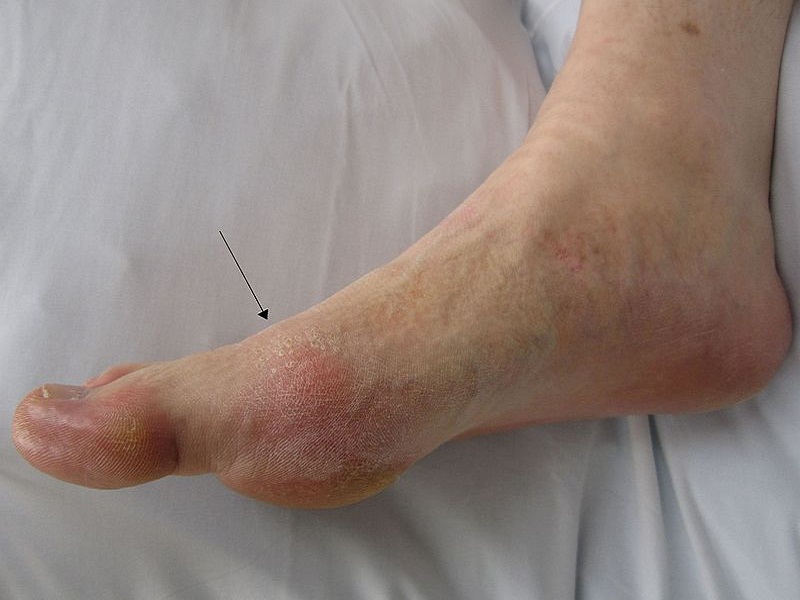
2) Kidney Symptoms
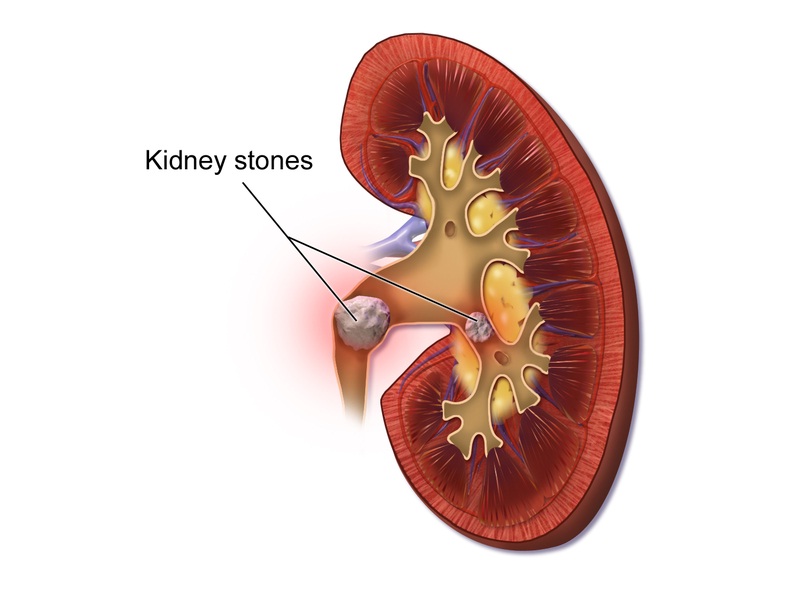
3) Skin Symptoms
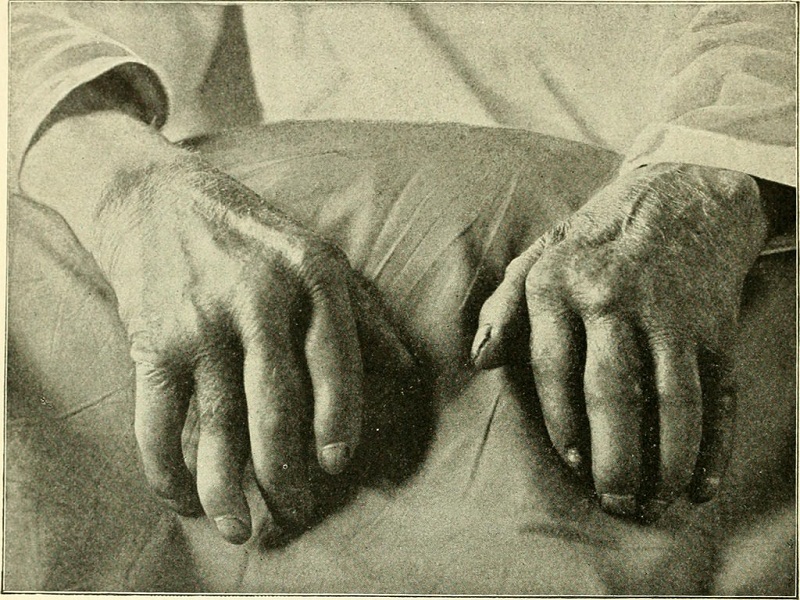
Though hyperuricemia can be managed with the help of lifestyle changes, like altering the diet, drinking two liters of water in a day and reducing alcohol consumption; visiting a doctor for proper diagnosis and treatment is highly recommended.
Image sources: Wikimedia commons, Flickr and Pixabay