


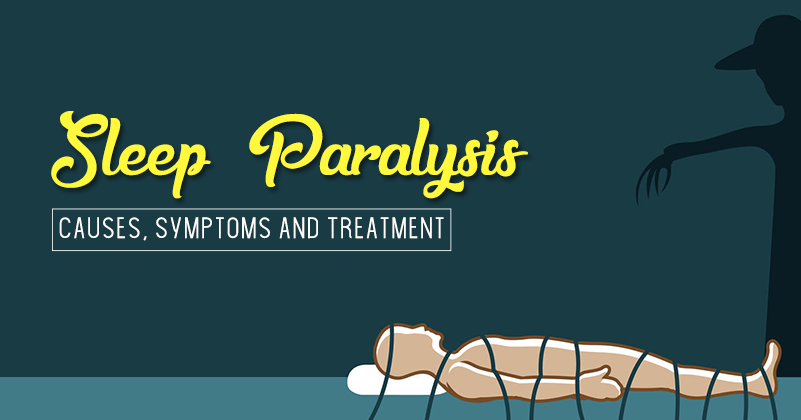
A dream usually takes place when you are in deep sleep. Sleep paralysis is when you are awake with your eyes wide open but your body is unmovable. This is the scenario where you are entirely conscious and can see the room around you, but still a part of your brain is still dreaming. So in a sleep paralysis mode, you might also tend to see monsters, shadows and other creepy things around the room because you tend to hallucinate.
Sleep paralysis is a very common phenomenon worldwide. It is noted that around 8 percent of the global population is sleep paralyzed. Majority of psychiatric patients, college students and people between the ages of 10 to 25 years suffer from sleep paralysis.
Cause and Symptoms of Sleep Paralysis
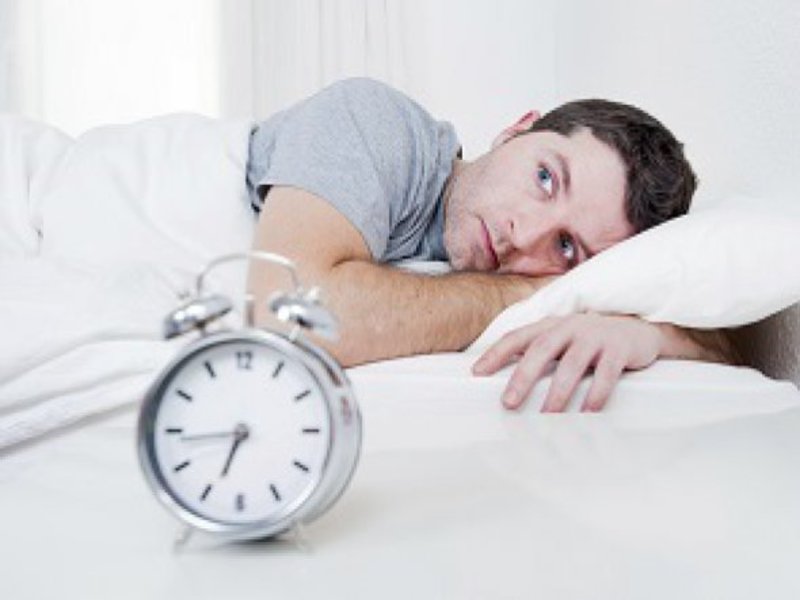
There are many causes of sleep paralysis like sleep deprivation, stress, extreme anxiety, medications and sleep disorders. Sleep paralysis commonly occurs in a person with narcolepsy. People start to hallucinate, which is very common in such a disorder. In sleep paralysis, there are three type of hallucinations:
Motor hallucination: Here the person feels like he/she is flying or floating in the air. At times they even feel like their spirit is moving out of their body.
Incubus hallucination: In this type of hallucination, a person feels like someone is pressing their chest hard, thereby leading to choking.
Intruder hallucinations: In this type of hallucination, a person feels that a dark shadowy man or some evil thing is present in their room or is near them.
People also hallucinate sounds besides these horrified visuals. As scary as it may sound, sleep paralysis has no proper medication or cure.
Steps to Cope with Sleep Paralysis

- Avoid caffeine, smoking or alcohol. Though this is not directly related to the disorder, it can also lead to risk factors.
- Avoid lying on your back when you sleep, as this is how you mostly get into a state of sleep paralysis.
- Try to move your hands and legs while you are sleep paralyzed, so as to prevent the situation from getting worse.
- Try to have an uninterrupted sleep schedule.
- Stay relaxed and stress-free.
- Practice meditation every day for a few minutes along with some muscle relaxation techniques.