


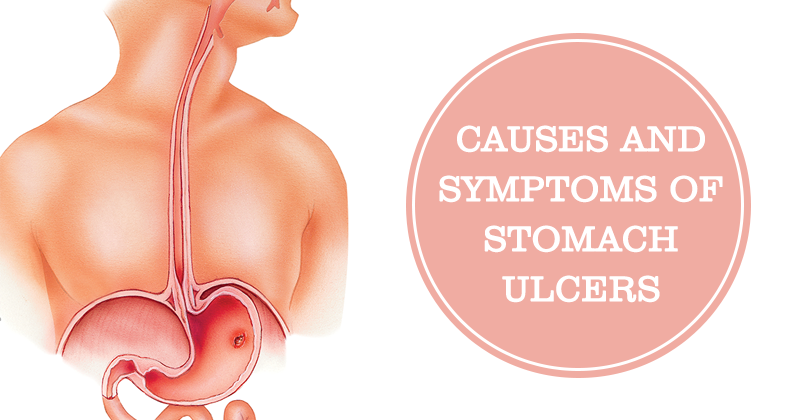
What are stomach ulcers?
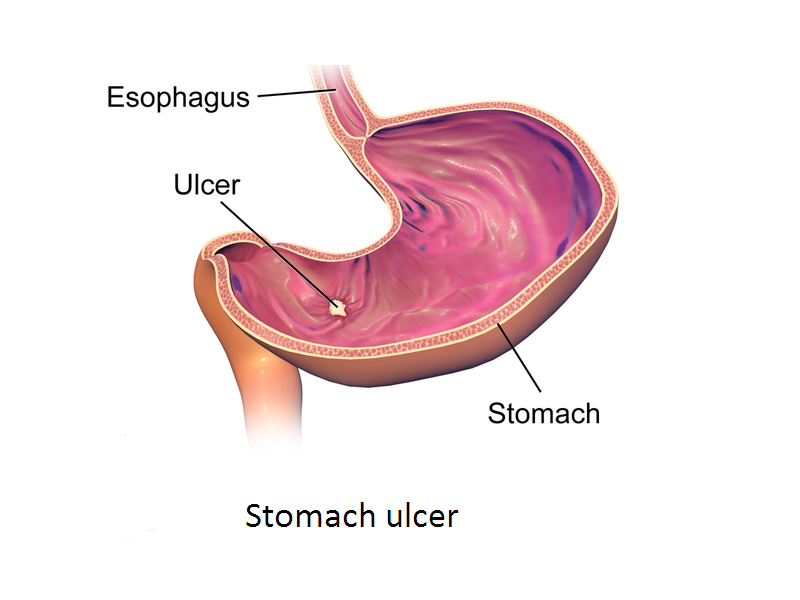
Stomach ulcers, also known as peptic ulcers, are sores in the internal lining of the stomach. In order to digest the food that we eat, the stomach produces a strong acid. To prevent the acid from affecting the tissues and linings, it produces a thick layer of mucus. When the layer of mucus wears away or does not function effectively, the acid succeeds in damaging the lining causing sores to develop. These open sores are called ulcers.
Since a long time, the primary cause of stomach ulcers was believed to be excessive acid. But now, after more research on the subject, experts have come up with other reasons also that can cause stomach ulcers.
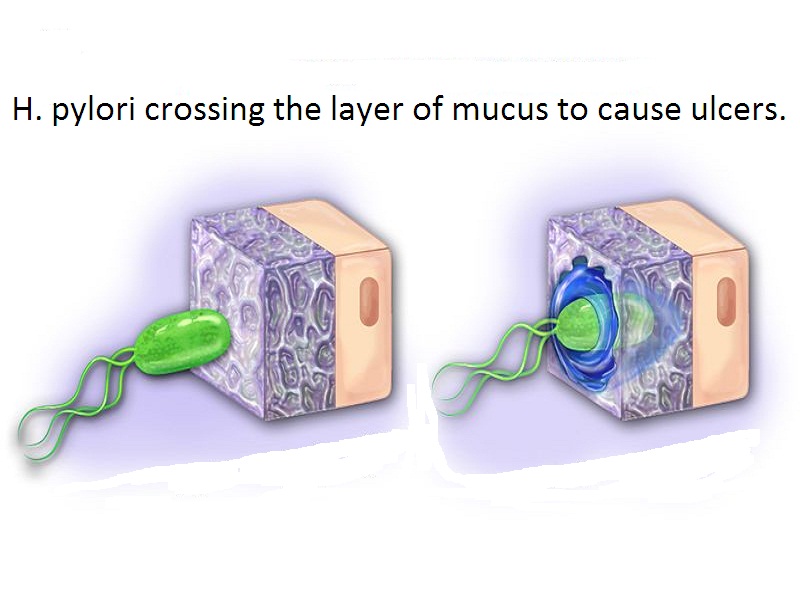
1) H.Pylori
2) Prescription Pain Relievers

3) Other Medicines
Pain relievers, when combined with other medicines such as low-dose aspirin, steroids, anticoagulants, etc., can increase the probability of developing an ulcer.
Some other known causes of stomach ulcers include hyperacidity and diseases such as the Zollinger-Ellison syndrome that makes the stomach produce excessive acid.
Risk Factors

- Genetics
- Smoking
- Spicy food
- Unmanaged stress
- Frequent steroid use
- Excessive use of alcohol
- Hypercalcemia or overproduction of calcium
Stomach ulcers are uncommon in children, however the risk for them increases if their parents smoke.
The above factors do not cause ulcers, but they do worsen the symptoms. Smoking is the primary reason as to why a stomach ulcer would not heal.
Symptoms

- Burning pain in the stomach. This is caused primarily by acid. It might worsen when the stomach is empty, in between meals and at night.
- Feeling of fullness
- Bloating
- Belching
- Heartburn
- Nausea
- Indigestion
- Intolerance to fried or rich foods
In cases, where the ulcer remains untreated, the symptoms can turn severe. Such severe symptoms may include the following:
- Chest pain
- Bloody stools
- Changes in appetite
- Difficulty in breathing
- Unexplained weight loss
- Vomiting red or black blood
- Shooting pain in the abdomen
- Feeling dizzy or light-headed
Sometimes, certain small ulcers might not display any symptoms. These are diagnosed only once they start bleeding. Some ulcers can be so strong that they may cause a condition called perforation, which means a hole in the stomach lining.
Though stomach ulcers are easy to cure, if left untreated, they may cause severe complications like internal bleeding leading to massive blood loss, perforation, severe infection and obstruction, which blocks the passage of food through the digestive tract.
Image sources: Wiki commons, Pxhere and Pixabay