


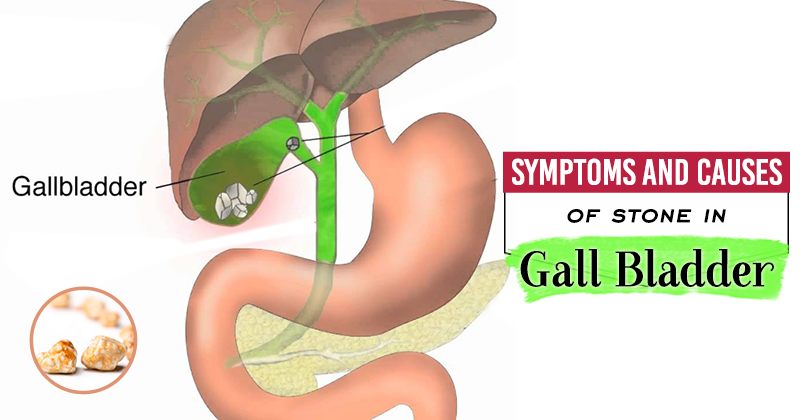
Nowadays, stones are a common occurrence. Some people have a stone related problem in the kidneys and some in the gallbladder. Most people tend to ignore the occurrence of calculus or take it lightly, but we advise you to not repeat their mistake because the occurrence of Gallbladder stones only once can increase the risk of developing cancer later on.
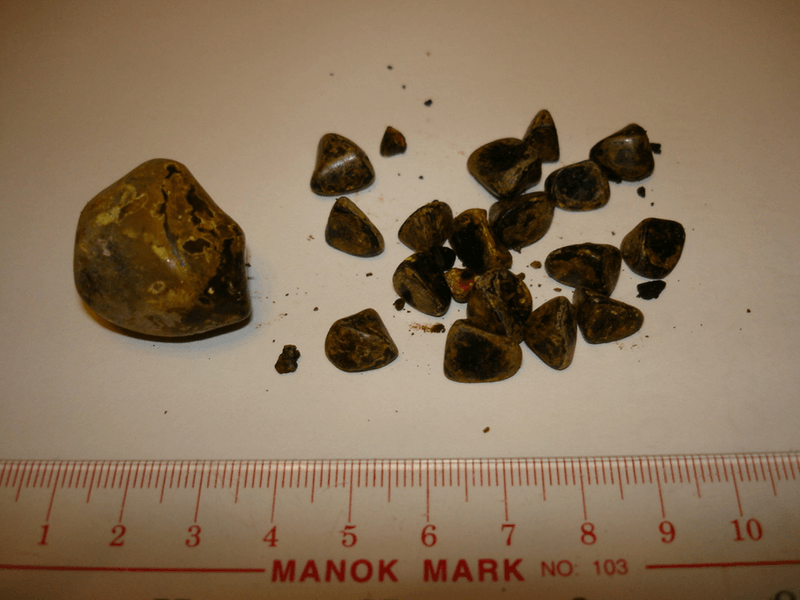
When cholesterol is not dissolved completely in the gallbladder, it eventually takes the form of a calculus. Small-sized calculus can easily pass out of the body, but large size calculus is extremely dangerous.
High cholesterol
Generally, high cholesterol creates many complications in our body and it may lead to cholestasis which is primarily a stagnation of the flow of the bile juice. This ailment is also correlated with hypercholesterolemia (high cholesterol in the blood) which may eventually lead to the formation of gallstones.
High bilirubin production
Bilirubin is a chemical that is formed in our body during the time when our liver destroys old red blood cells. In some situations such as damaged liver or blood disorders, our liver starts to produce more bilirubin than required, which in the long run can lead to the formation of calculus.
The gallbladder not getting emptied
The gallbladder is not completely empty at all times and when this happens the bile juice becomes concentrated, and this could lead to the formation of gallstones.
Sometimes, even after having a calculus in the gallbladder, we don’t feel anything unless the calculus (gallstone) creates a blockage in the gallbladder or until it starts to pain.
Here are some symptoms of gallbladder calculus-
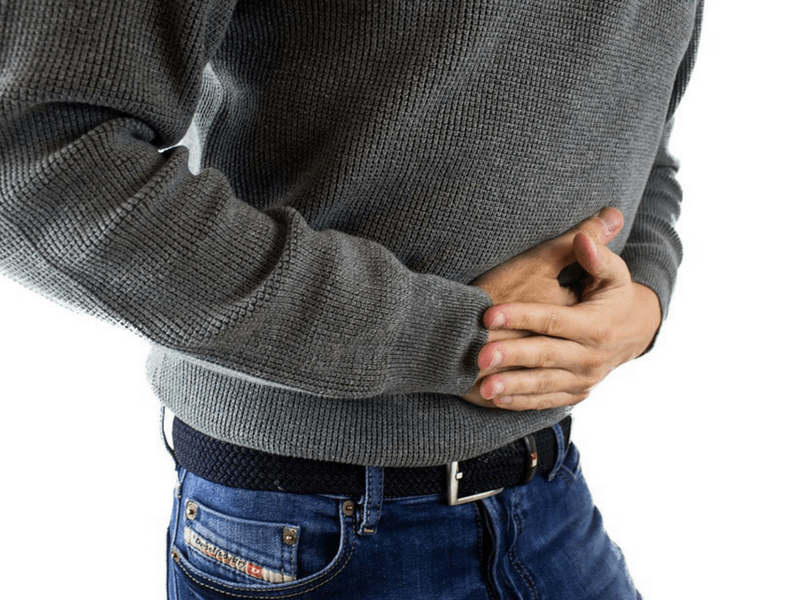
- Sudden and rapid pain in the upper right side of your abdomen
- Severe pain in the area between the stomach and the chest
- Pain in the back of the shoulder
- Pain in your right shoulder
- Vomiting
The following tests are done for the diagnosis of gallbladder calculus-
1) Ultrasound
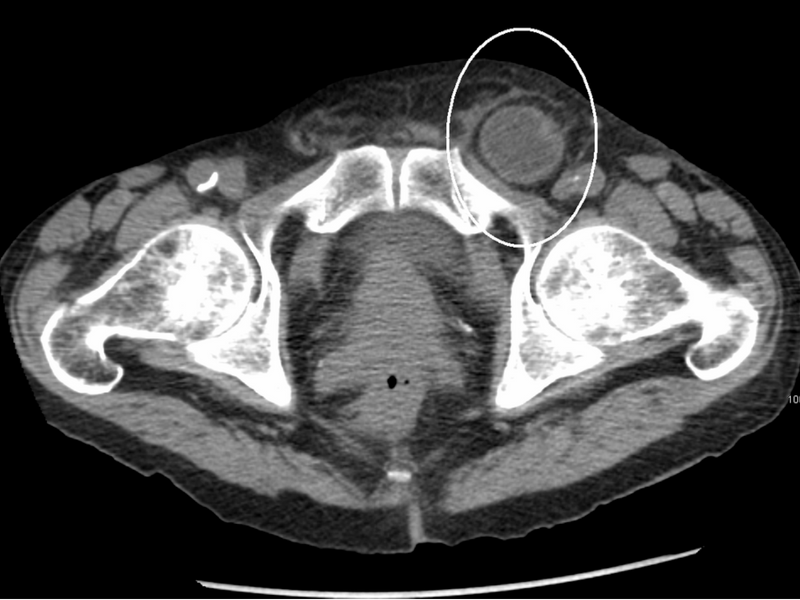
An ultrasound scan uses high-frequency sound waves to take live images from the inside of your body which can reveal the exact location of the calculus in the gallbladder, it is the most common test done to diagnose the presence of calculus.
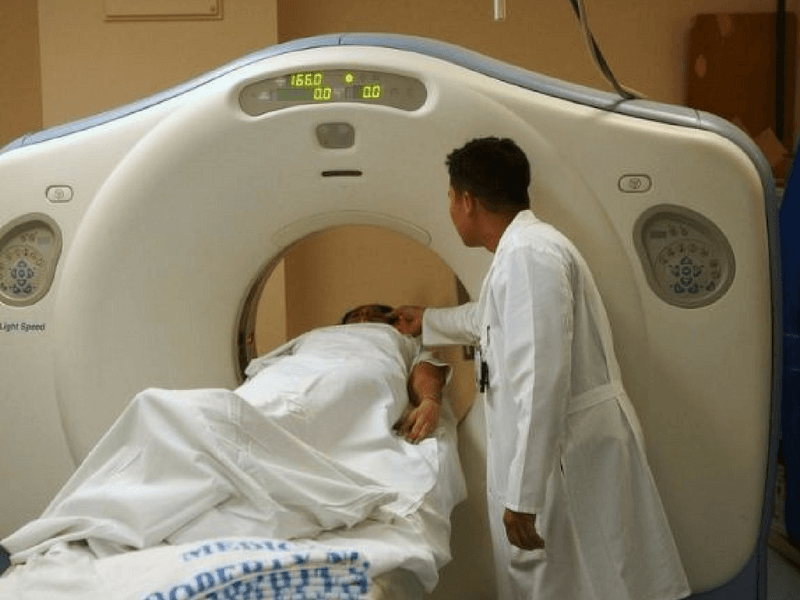
2) Abdominal CT Scan
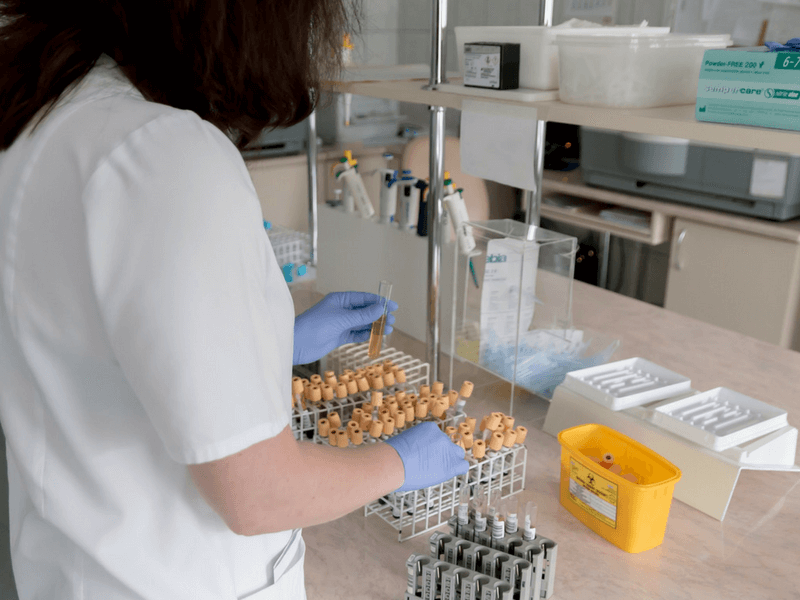
3) Blood Tests
Treatments for Gallbladder Calculus
1) Gallstones Laparoscopic Cholecystectomy
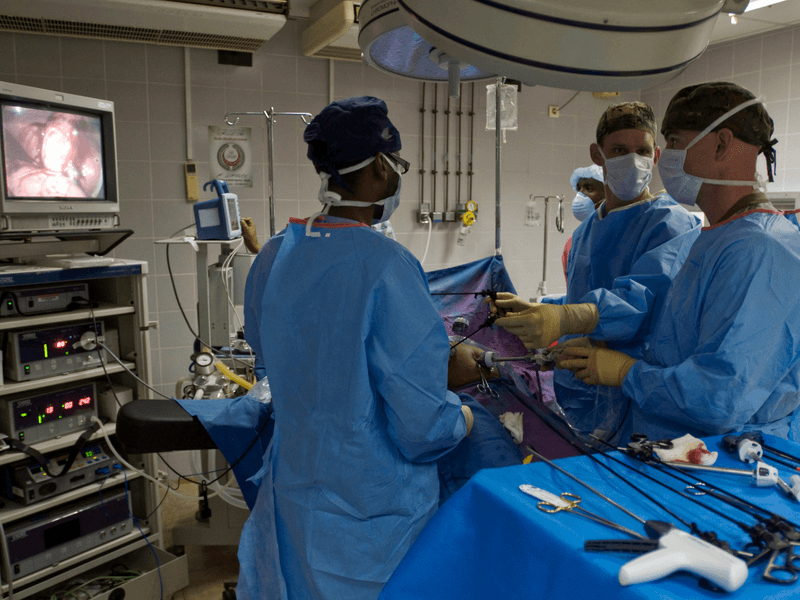
If gallbladder calculus formation becomes more frequent, then your doctor can advise you to surgically remove your gallbladder. Once it is surgically removed, the bile will start flowing directly from your liver into the small intestine. People generally have no problem after the removal of the gallbladder as our livers produce enough bile juice. After the surgery, people are advised to consume foods with a low-fat content.
2) Medication
Gallbladder stones can also be treated by taking medication. The drug Actigall (ursodiol) is prescribed to be taken orally. However, depending on the size of the calculus, it may take months or even years before it gets dissolved in the body.
Image Source: Pixabay, Wikimedia