


Blood plays an important role in our bodies. It helps transport oxygen and antibodies helps regulate body temperature and helps transport waste products to the kidney and liver, thereby cleansing the body. That is the reason why blood forms around 7% of the body weight and 45% of the blood are made of red blood cells (RBC). When blood lacks enough RBCs to perform these crucial functions or does not have enough hemoglobin to carry oxygen, it leads to a condition called anemia.
1) Paleness

2) Constant Tiredness
Children with anaemia get tired very easily. They feel dizzy, light-headed, have a fast-heartbeat and suffer from shortness of breath or rapid breathing and are unable to undertake strenuous or extremely physical activities such as running or playing outdoors. Even simple activities like climbing the stairs would leave them panting and tire them out completely.
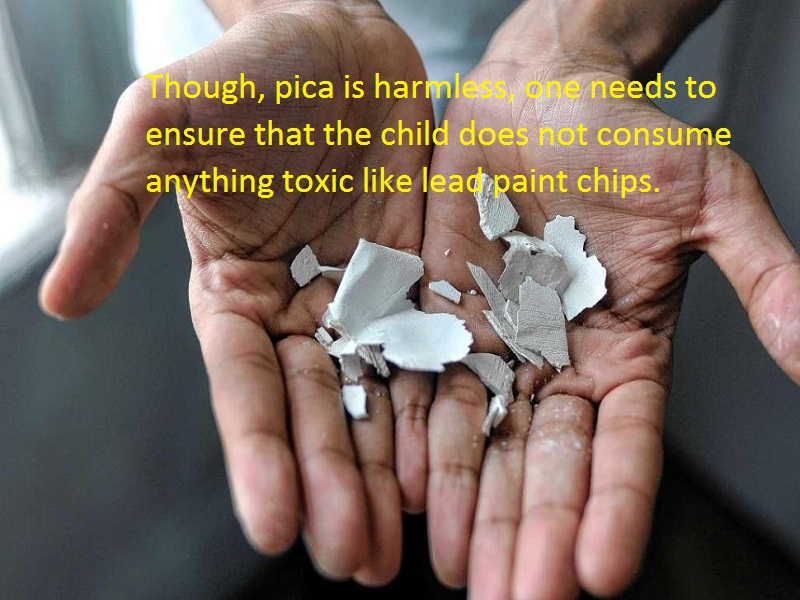
3) Pica
4) Delayed Growth and Development
5) Delayed Healing
Anemic children also experience a delay in healing wounds or tissues and fall sick more often. As the RBCs are unable to carry the required antibodies, children are more susceptible to infections, falling sick easily. Furthermore, their wounds heal late, thereby prolonging the injury.
6) Other Symptoms
Other symptoms of anemia in children include a sore or swollen tongue, irritability, constant headache, an enlarged spleen, jaundice and a tea-colored urine.
Diagnosis of Anaemia
It is not necessary that a child suffering from anemia would display all of these symptoms. However, if one notices even one of these symptoms, it needs to be immediately brought to the attention of a pediatrician, so that he/she can get the required tests conducted to diagnose the child’s condition.
As anemia may be caused due to a number of reasons, the tests that a doctor might recommend, depending on the severity of the condition, would include a complete blood count (CBC), blood smear examination, iron tests, hemoglobin electrophoresis, bone marrow aspiration, and biopsy, and/or reticulocyte count.
Remember, anemia is a treatable condition and an early diagnosis can help reverse its consequences in an effective manner
Image sources: Pixabay