



So the story goes like this…some days back my four-year-old daughter came back from playing with the neighbour’s children, ate her food and went to sleep. While folding her clothes, I noticed that there was a 10/- rupee coin in her pocket. My husband and I had already decided that the child should not get any pocket money before a certain age, so I wondered where she had got this coin from.
The next day, upon asking her, she replied that her friend had taken two coins from her mom’s purse and had given her one. I did not know how to react in this situation, so I lovingly explained to her that one does not take things like this and also that children should not take money from the purse without asking parents, it is known as stealing and is wrong.
In the evening, I myself went to return the coin back to my neighbor and told her the whole incident. Talking to a counselor friend about this, he gave some great suggestions for teaching the difference between right and wrong to children, which I would like to share with you here:
1) Set an Example for Children

It is said that the family is the child’s primary school. The child learns several different behaviors by watching and observing his/her parents. Therefore, if you do not want your child to do something, then you should also not be doing it.
2) Tell Stories with a Moral to your Child

3) Rewarding Good Deeds

4) Make Sure the Child is in Good Company

5) Make Certain Rules and Regulations for Children
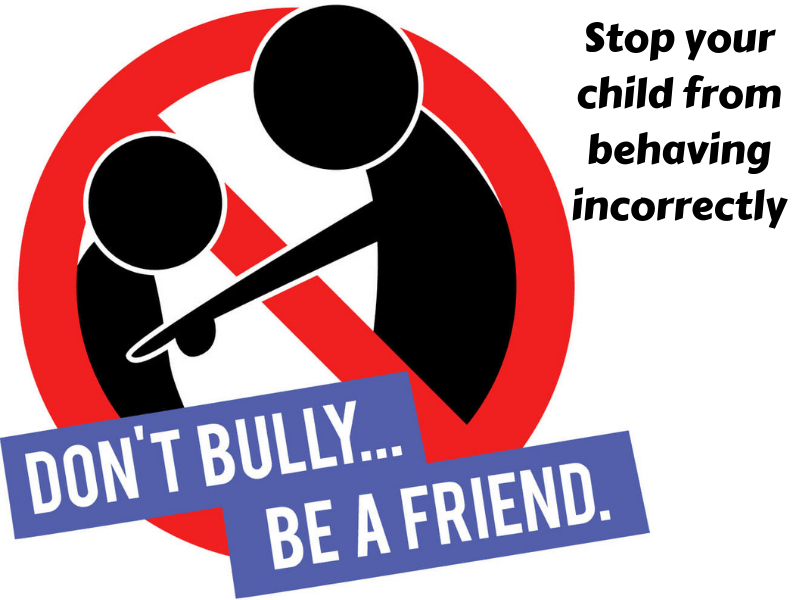
Make sure the child follows certain rules. Like how he should behave while playing with other children. If you find any items or money lying around, he should never take it but tell the parents. Do not indulge in physical abuse or speak bad words. Also, practice general courtesy, such as greetings to elders. Also, make sure that not abiding by any of these things will be treated as a mistake and the child will be held accountable for it.
6) Be Patient

Image source: www. Public Domain Pictures., www.wikipedia.org, www.huggingtonpost.com , www.1stmardiv.marines.mil