


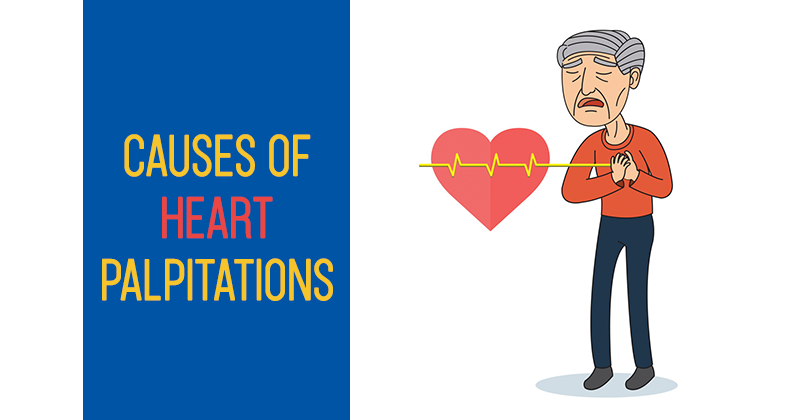
A heart palpitation is a sensation that makes you feel as if you have skipped a heartbeat or your heart has started pounding faster. You may feel that your heart is racing, pounding or fluttering. During a heart palpitation, you may even become aware of your heartbeat. This sensation is not only felt in the upper left side of the chest, but it can also be felt in your neck, throat and chest.
- Shortness of Breath
- Dizziness
- Chest Pain
- Fainting
Causes of Heart Palpitations
There are many causes of heart palpitations. These causes can be classified as non-heart related causes and heart related causes.
Non-heart related causes:
- Emotions such as anxiety, fear and stress
- Strenuous physical activity
- Caffeine, nicotine, alcohol and drugs such as cocaine
- Medical conditions such as thyroid, low blood sugar level and low blood pressure
- Hormonal changes due to menstruation, pregnancy and menopause. Heart palpitations during pregnancy may be a sign of anaemia.
- Medications such as diet pills and asthma inhalers. These also include some herbal and nutritional supplements.
- Abnormal levels of electrolyte.
Heart-related causes:
- A prior heart attack
- Coronary artery disease
- Heart failure
- Heart valve problems
- Heart muscle problems
Management of Heart Palpitations
The management of heart palpitations depends on the cause of the palpitations. Most of the times, palpitations are not serious and can be easily treated and managed by making a few lifestyle changes.
1) Practicing Yoga

2) Eliminating Certain Food Items from your Diet

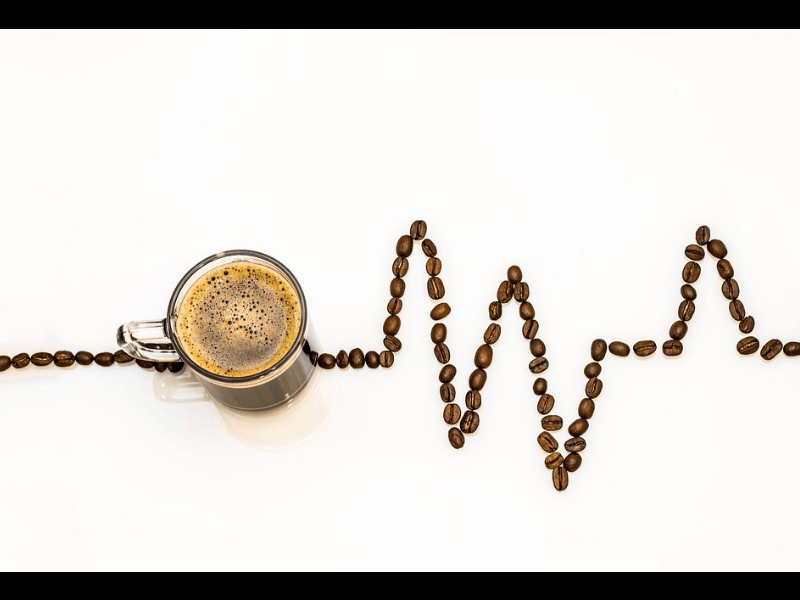
3) Cutting out Caffeine
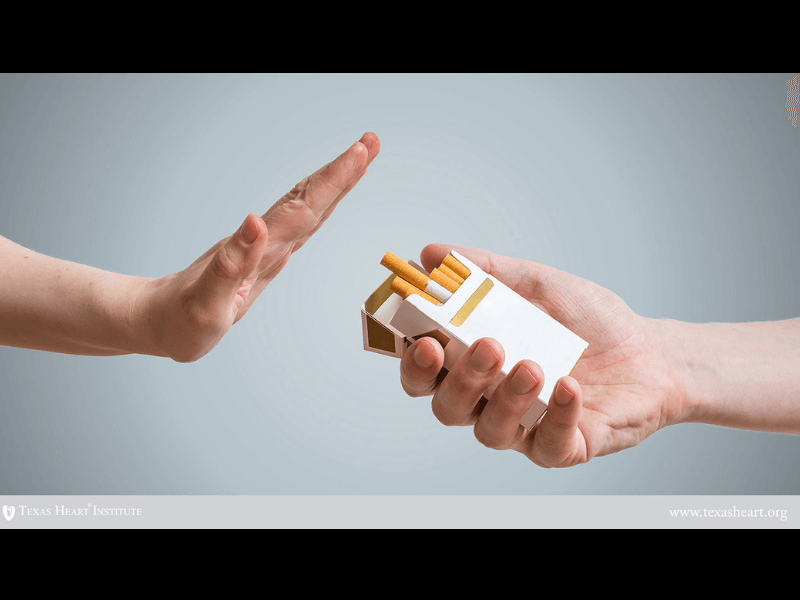
4) Quit Smoking
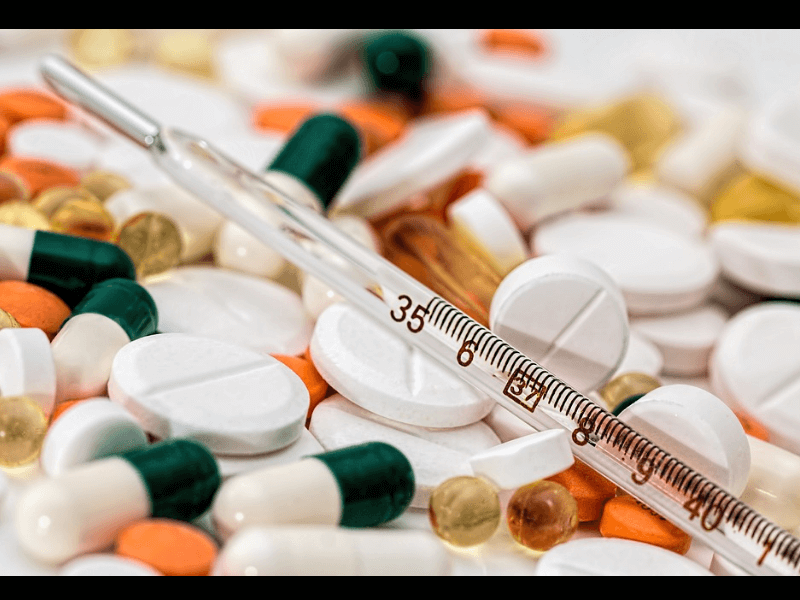
5) Avoid Certain Medications
Apart from the ways mentioned above, try sticking to a healthy diet, manage your weight and keep your blood pressure and cholesterol levels under control. Doing so will be very beneficial for your overall health as well.
Sources: Healthline, Heart to Heart Paediatric Cardiology, Pixabay, Texas Heart Institute, WebMd.