These days, osteoporosis has become a common disorder among some adults, middle-aged women and even the elderly. Osteoporosis is a condition in which the low bone mineral deficiency makes individuals susceptible to fractures. Osteoporosis is the most common cause behind a fracture among the elderly people. It affects around 20% of people below 50 years of age and 70% of people above 80 years of age. Bones of the spine, the forearm and the hip are at most risk. The bones in the body become so weak that they break even due to minor stress. Osteoporosis is typically measured by a dual-energy X-ray absorptiometry at the hip.
There are many reasons that can lead to weak bones, which in turn may eventually lead to osteoporosis later in life. These are:
Table of Contents
1) Low Oestrogen
Endocrinologists believe that oestrogen deficiency in women leads to bone loss after menopause because older women quickly lose oestrogen. Over time, the risk of osteoporosis increases in older women. According to U.S. Surgeon General’s latest report, “Bone Health and Osteoporosis.” Younger women may stop menstruating earlier and thin athletes or girls may also suffer from low bone density. According to another report, bilateral oophorectomy surgery (removal of both ovaries) can cause a 54% increase in fractures in postmenopausal women.
Men too need oestrogen for bone health but the male body doesn’t produce oestrogen directly, in fact it converts its testosterone into oestrogen. Hence, men with testosterone deficiency are also at a risk of osteoporosis.
2) Other Hormonal Imbalances in the Body
Different hormones, such as Parathyroid and the Growth hormone, also play an important role in maintaining bone density. However, increased quantities of the parathyroid hormone, known as ‘C condition’ or hyperparathyroidism, can also cause calcium loss through urine and decrease bone density. Lesser calcium implies weaker bones. As we age, our body decreases the production of the growth hormone-a hormone that is needed to maintain bone strength.
3) Calcium Deficiency
Calcium is the most important mineral that is required for rebuilding new bones, during the lifelong process of bone remodeling. Bones are composed of two main minerals-Calcium and Phosphorus. Our organs, especially the heart, muscles, and nerves require calcium for proper functioning. When you have a deficiency of calcium, these organs use the calcium reserves from the bones and over time, the bones become thin, weak and brittle.
4) Lack of Vitamin D
Deficiency of vitamin D can lead to weak bones because of less calcitriol which is an active form of Vitamin D and acts more like a hormone than a vitamin. Calcitriol helps your body in absorbing and utilizing the calcium that is present in the body.
SYMPTOMS
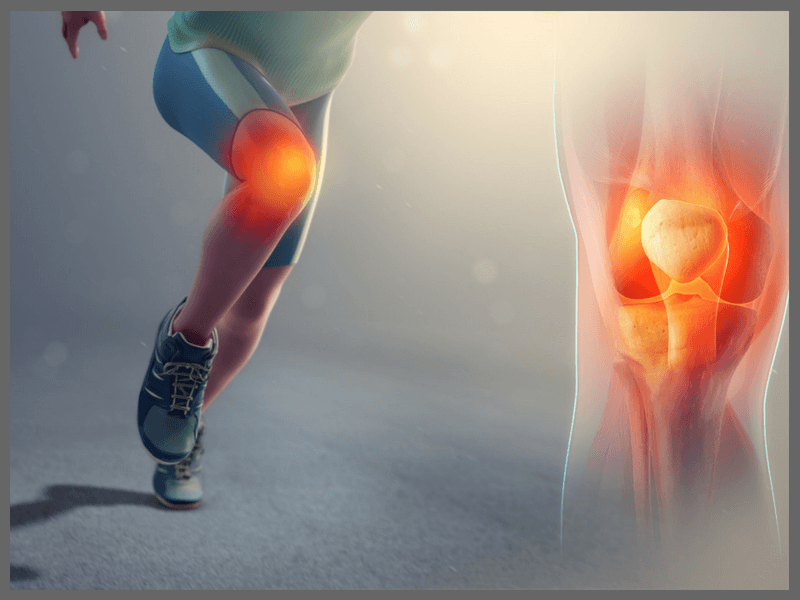
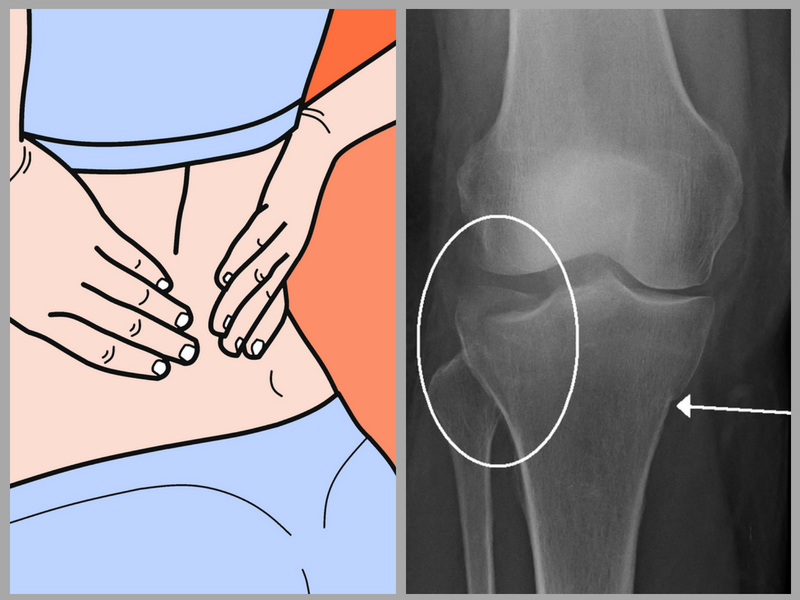
You can suffer from osteoporosis without any symptoms, even for decades because osteoporosis can’t be diagnosed before an actual fracture. Patients may never know that they are suffering from osteoporosis until they experience a painful fracture. The most common symptom associated with osteoporosis is chronic pain, and this depends on the location of the fracture. The symptoms of osteoporosis are similar in both men and women. Symptoms include lower back pain, loss of height, curving of the spine or a stress fracture.
TREATMENT
1) Nutrition
Adequate dietary food intake of calcium from childhood to adolescence for both sexes is very important for strong bones. Most importantly, a high dietary calcium intake or the consumption of calcium supplements alone is not sufficient to treat osteoporosis. Eating green vegetables is good for bone health as green vegetables such as beans are rich in nutrient content. Foods rich in omega-3 fatty acids, such as flax seeds, fish, and cod-liver oil also have bone-boosting benefits.
2) Hormone Replacement Therapy
Hormone replacement therapy (HRT) and estrogen replacement therapy (ERT) were initially used for treating the symptoms of menopause, but they are now even used for the prevention and treatment of osteoporosis, especially the osteoporosis that occurs after menopause. Lower estrogen levels lead to a decrease in bone density. By taking estrogen either as ERT or as HRT, the bone mineral loss is a delay, thereby helping the body regain its normal bone density.
Image Source: Wikimedia, Health.mil, Piaxabay, Public Domain Pictures.