


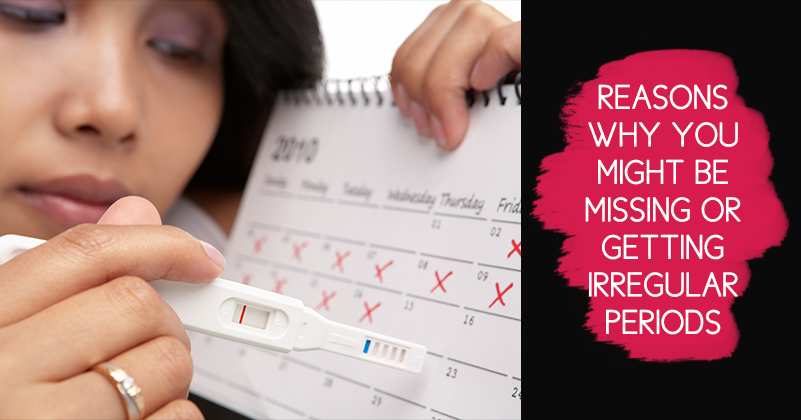
What are irregular periods?
Periods are a part of the menstrual cycle of each woman, during which the lining of the uterus is shed, in case a woman is not pregnant. Just as each woman is different, her cycle is also different. For some women, the periods might come like clockwork, while for others they might be unpredictable.
A woman would have irregular periods when:
- The duration between each period changes frequently
- The quantity of blood loss differs in every period
- The duration of the period varies
Causes of Irregular Periods
There can be many reasons why a woman’s periods may get irregular. Periods are primarily controlled by two hormones-estrogen and progesterone. Fluctuations in the levels of these hormones can affect the period cycle. While these fluctuations are normal during pregnancy and breastfeeding and near puberty and menopause, this should not be the case for women aged between 18 and 55 years. Other common reasons for the irregularity may include:
1) Stress or Emotional Distress
Stress or emotional distress changes the pattern of ovulation by either delaying the release of the egg or not releasing it at all. When ovulation does not happen, periods also do not happen.
2) Excessive Exercise

If one has suddenly increased their time in the gym, especially doing endurance exercises, then ovulation might be affected. Further, exercising needs energy and so does menstruating. So, if you start exercising very hard, the body stops menstruating in order to save energy.
3) Dramatic Change in Weight
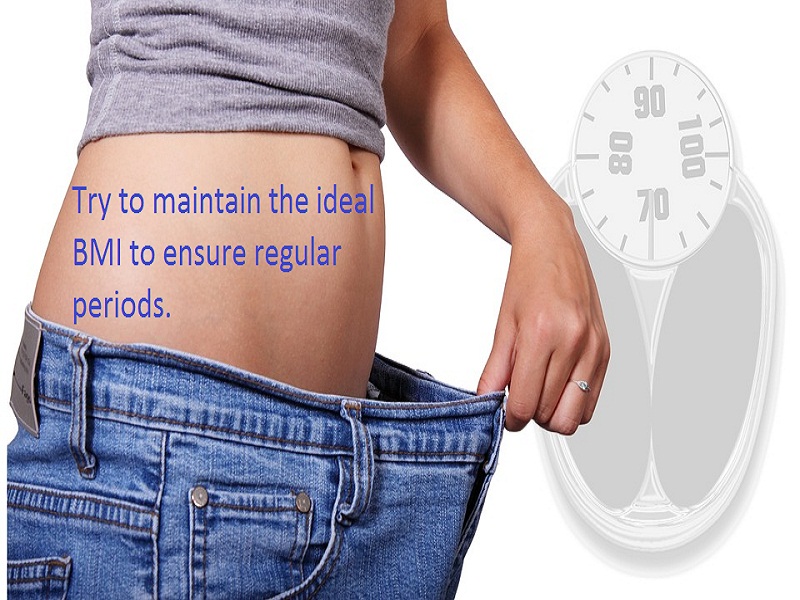
Sudden weight gain or weight loss puts a lot of pressure on the reproductive cycle, causing the periods to be either irregular or disappear altogether. Women suffering from eating disorders like bulimia and anorexia may also suffer from irregular periods.
4) Prescription Medicines
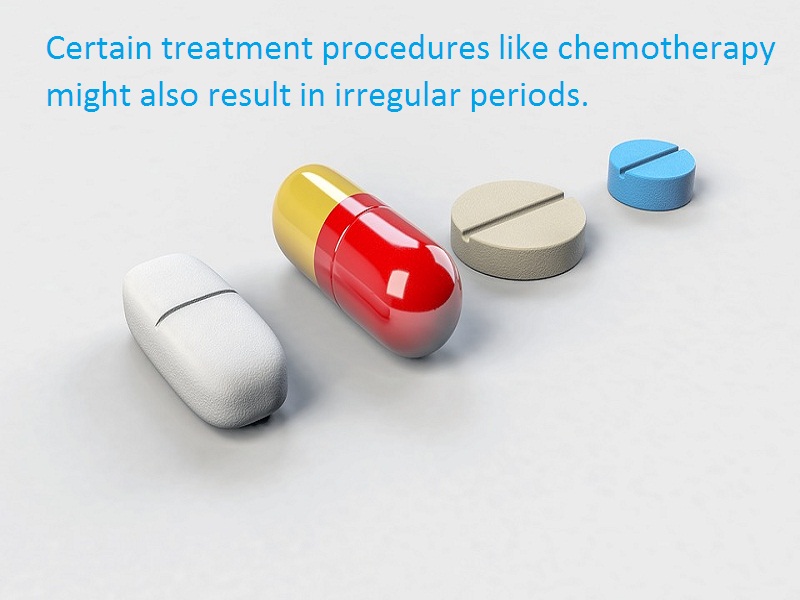
Certain prescription medications may either change the period pattern or make them go away totally. Such medicines usually include birth control pills, some brands of intrauterine devices (IUDs) used for contraception, cancer drugs, blood thinners, antibiotics and anti-psychotic drugs.
5) Smoking

Experts believe that smoking also causes irregular periods.
6) Pre-Existing Medical Conditions
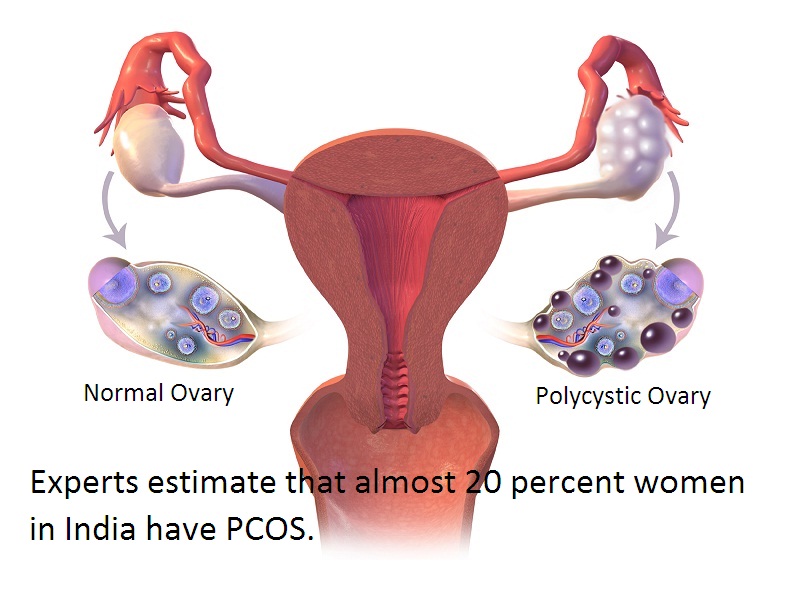
Varied pre-existing conditions can lead to irregular periods. Some of these include thyroid disease, chronic liver disease, kidney problems and uncontrolled diabetes. The two conditions that top this list include polycystic ovarian syndrome (PCOS) and a genetic bleeding condition called Von Willenbrand Disease.
7) Sexually Transmitted or Other Infections
Sexually transmitted infections (STIs) or any other bacterial infection may cause bleeding in between periods. Conditions like the pelvic inflammatory disease may also be to blame.
8) Benign Growths
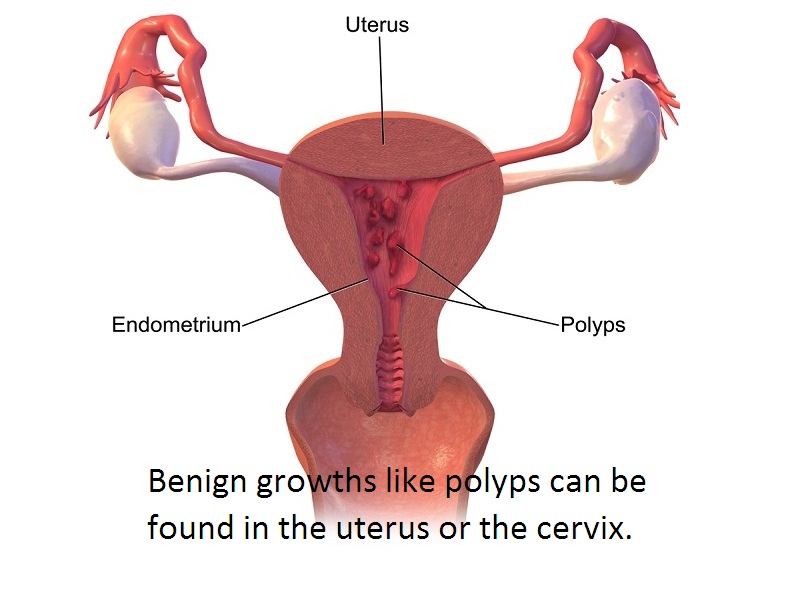
Benign growth such as fibroids and polyps can also affect a woman’s periods. Though these are not cancerous, they can be painful and can change the bleeding pattern.
9) Cancer
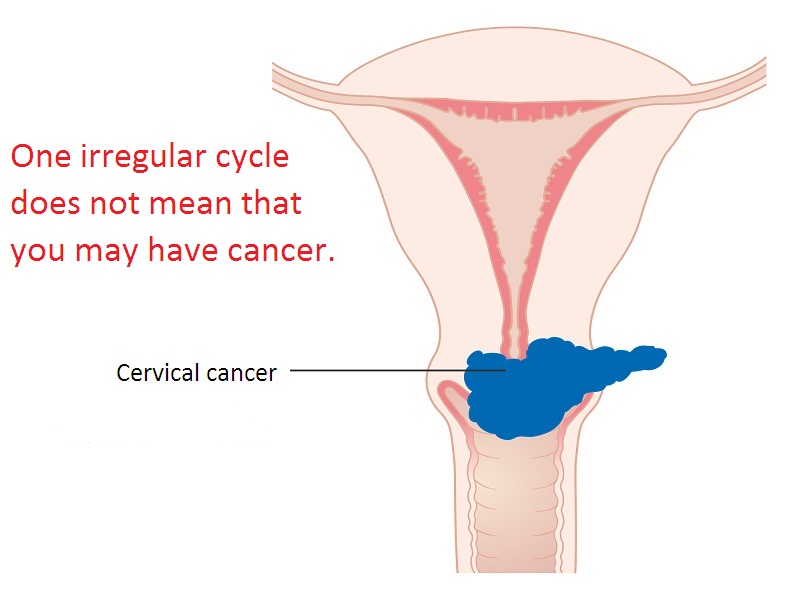
(Source: https://upload.wikimedia.org/wikipedia/commons/thumb/f/f7/Diagram_showing_stage_2B_cervical_cancer_CRUK_216.svg/2000px-Diagram_showing_stage_2B_cervical_cancer_CRUK_216.svg.png)
Certain cancers such as cervical cancer, endometrial cancer and uterine sarcoma may result in irregular periods.
Having just one or two offbeat irregular periods should not be a cause of worry. However, if the irregularity continues for more than three cycles, then it is advisable to see your gynecologist.