


Home / Indian Festivals / Trailing back to ancient Onam Recipes and Traditions
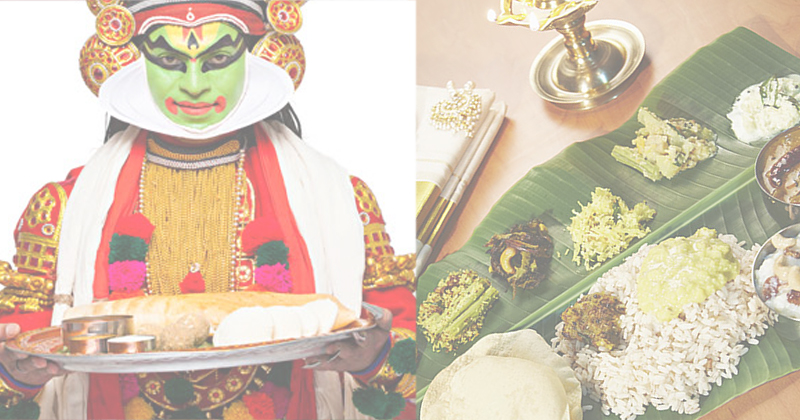


The blissful onset of the monsoon season welcomes the auspicious festival of Onam!
Onam is a grand festival celebrated with great enthusiasm and excitement in Kerala. Onam falls in Chingam (August-September), which is the first month according to the Malayalam Calendar. The festival lasts for 10 days, the first (Atham) and last day (Thiru) being the most important ones.
From making the Pookalam to Vallamkali to preparing Onam Sadya, each ritual has a magic spell of its own. But have you ever wondered the story behind this glorious 10-day feast?
Apart from honoring the rice harvest, the history of this grand goes back to the time during the reign of King Mahabali. According to Hindu mythology, it is believed that King Mahabali descends to the earth to visit his beloved devotees. Stories of bringing Mahabali on Thiruvonam day were no less than Santa Claus visiting homes for Christmas!
The fervor and zest have been the same for years. However, the rustic charm of Onam’s ancient age-old traditions seems to have taken a modern turn.
In earlier days, localites recall how city lanes would be flooded with people even at midnight to witness the legendary dramas and Ganamelas.
Often the elderly reminisce about traditions like Pilleronam during Onam. Pilleronam was a unique festival. It was not just a day to celebrate childhood. It beautifully commemorated the transition to adulthood. Teenagers were given the responsibility to run the entire household for that day.
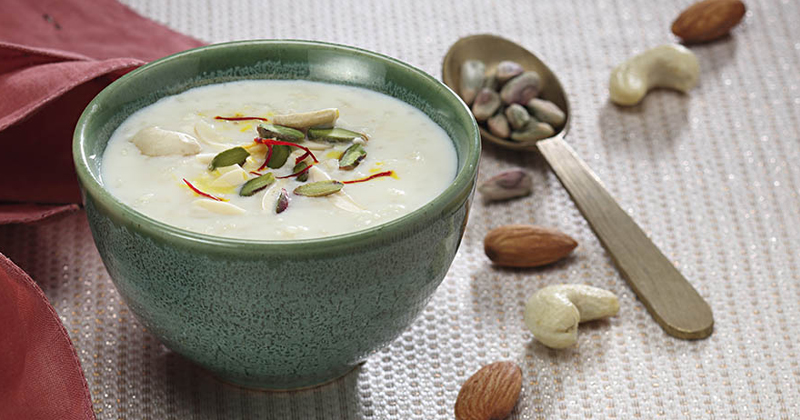
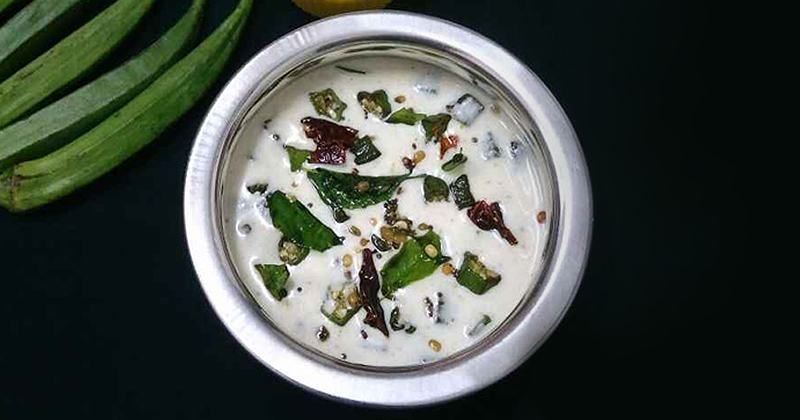
Rituals like Karadi Kali and Kummati Kali too lost their color in the rapid pace of our lifestyles. Onam Sadya the essence of Onam, is a traditional feast 9-course meal that consists of 26 dishes. Including dishes like Kalan (sweet potato and yam coconut curry dish), Olan (white gourd prepared in coconut curry), Avial (seasonal vegetables in coconut curry), Vendakkai Pachadi (Okra Yogurt), Puli Inji (Sweet and Sour Ginger Pickle) and the much-loved dessert, Paal Payasam (a rice kheer preparation) the platter is something all wait for!
According to old practices, this feast was prepared using only homegrown and seasonal vegetables. The dishes used to be made without onion and garlic. People in earlier times used to prepare for days making their ground masalas at home too! The meal then was followed by Vettila Murukkan, chewing of betel leaf with lime and areca nut. This helps digestion of the meal and also cleanses the palate.
However, variations of these dishes with more added flavors and veggies, have gained popularity over the years. With this magnificent meal, this lovely festival draws to an end.
Like any other festival, the traditions of Onam have evolved with growing time. Even as the town lits up to welcome their beloved king, the vigor of our old traditions needs to be revived by togetherness and devotion.
Age-old rituals passed down from generations, are simple ways to connect back to our roots in this rapidly-paced world!













COMMENTS (0)