


Home / Women Health / What are the Causes and Symptoms of Hyperthyroidism?
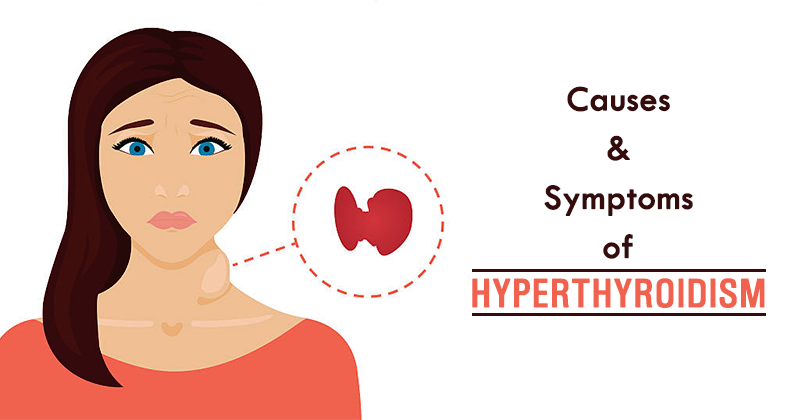


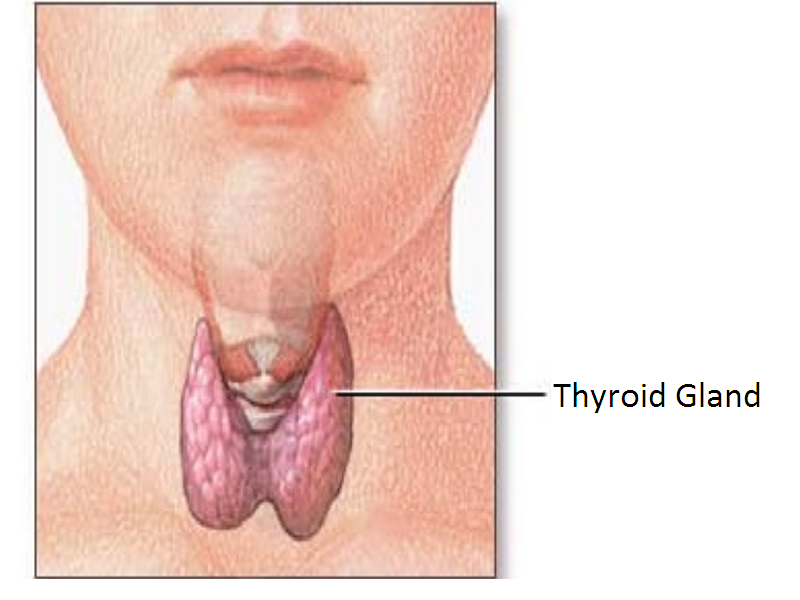 Hyperthyroidism is a condition in which the thyroid gland produces excessive thyroid hormones. The thyroid gland is a butterfly-shaped gland located at the base of the neck, just above the collarbone. Though small, this gland controls growth and metabolism. It determines the rate at which the body uses carbohydrates and fats, controls the heart rate, regulates the production of proteins, governs the body temperature and regulates the quantity of calcium released in the blood.
When the thyroid gland overworks, it can drastically accelerate the metabolism causing an individual to suddenly lose weight, an irregular or fast heartbeat, usually above a 100 heartbeats per minute, nervousness and sweating. Typically, hyperthyroidism affects people above 60 years of age and is more common in women. But when found in younger people, the onset would be sudden.
Although, the most common cause of hyperthyroidism is Grave’s Disease, there are other reasons also that may cause hyperthyroidism.
1) Graves Disease: Grave’s Disease is an autoimmune disorder in which the antibodies mistakenly attack the thyroid gland, thereby forcing it to over-produce the thyroid hormone. Experts believe that genetic disposition is also the primary reason for contracting this disorder. It affects women under 40, especially those women who smoke.
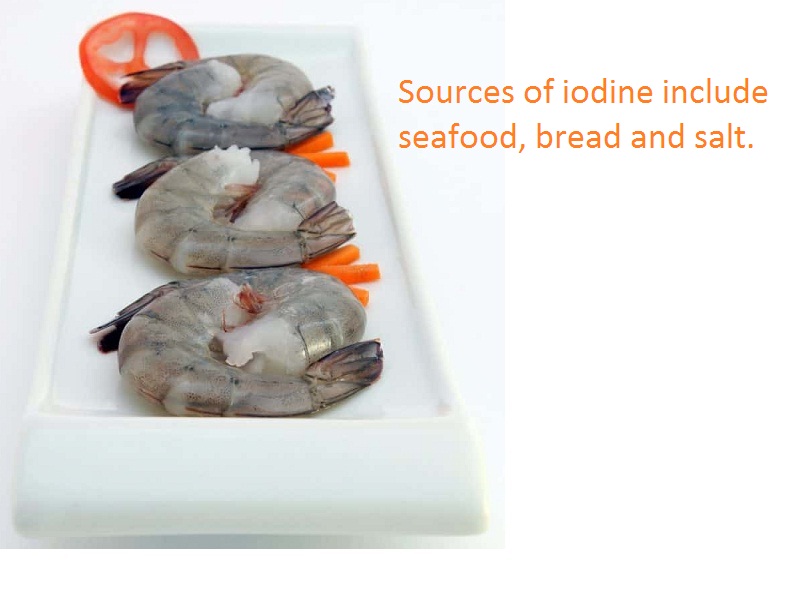
2) Excessive Iodine Intake: The thyroid gland uses the iodine in the blood to make the thyroid hormone. When there is excessive iodine in the bloodstream, the production of the thyroid hormone also increases, leading to hyperthyroidism.
3) Hyperactive Thyroid Nodules: In this condition, a part of the thyroid gland isolates itself from the rest of the gland and forms benign lumps, enlarging the thyroid gland. These isolated parts are called adenomas. When one or more adenomas start producing too much thyroid hormone, it can lead to hyperthyroidism.
4) Thyroiditis: When the thyroid gland inflames, it leaks the stored thyroid hormones into the bloodstream, thereby raising the levels of thyroid hormones. Thyroiditis can be of three types, thyroiditis; subacute granulomatous thyroiditis, a rarer but painful form, and postpartum thyroiditis.
5) Medications: Certain medications used to treat heart problems and bipolar disorder contain a lot of iodine. A person using these medications should regularly monitor their thyroid levels.
6) Thyroid Cancer: Another reason for the overactive thyroid gland may be thyroid cancer. In this, the malignant cells may start producing excessive thyroid hormones.
Apart from the above reasons, tumors in the ovaries and testes may also cause hyperthyroidism.
Hyperthyroidism may be difficult to diagnose as it mirrors the symptoms of other diseases. And in conditions where an individual uses beta blockers, which are used to treat hypertension, the symptoms get concealed. However, there are still a number of symptoms that can lead to its diagnosis.
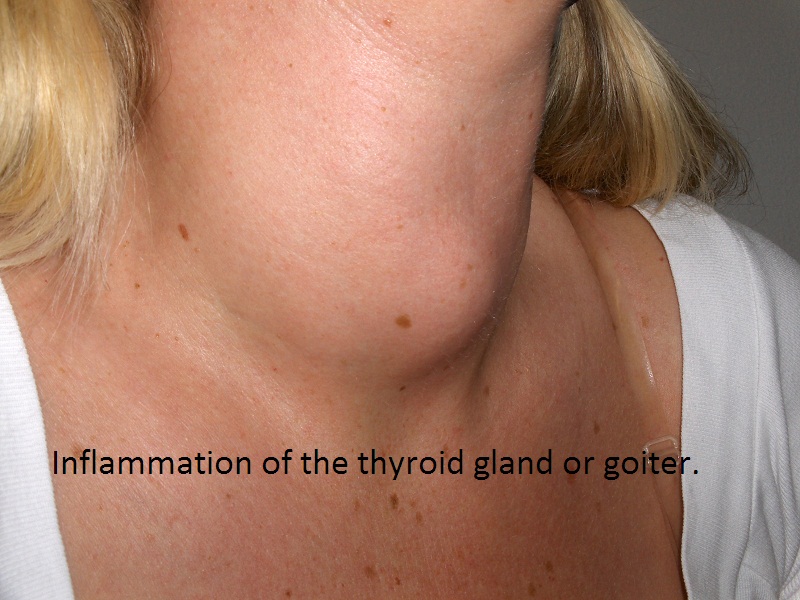
Untreated hyperthyroidism can cause complications like brittle bones, hair thinning, eye problems, heart problems and thyrotoxic crisis. As the condition is treatable with medications, or surgery in extreme cases, it is advisable that when diagnosed, treatment is sought at the earliest.
Image source: Wikimedia Commons and Pixnio
















COMMENTS (0)