


Home / Uncategorized / Causes, Symptoms and Preventive Measures for Hand, Foot and Mouth Disease
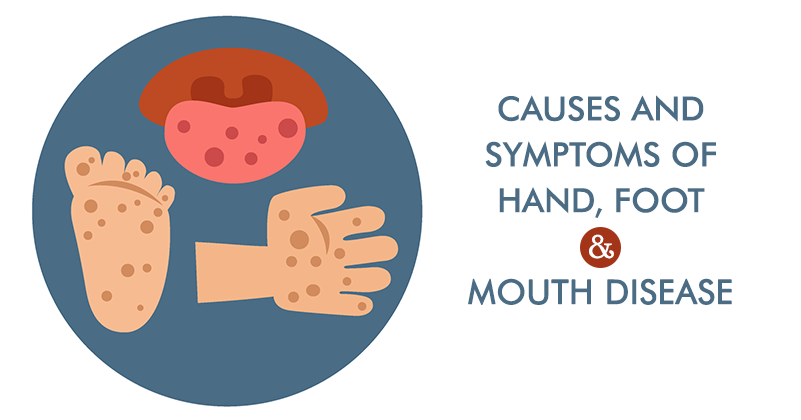


Hand, foot and mouth disease (HFMD) is a viral infection characterized by sores in the mouth and the throat and rashes on the hand, foot and at times, buttocks. Caused by the coxsackievirus, it usually affects children under the age of 5, but is not uncommon in adults, too.
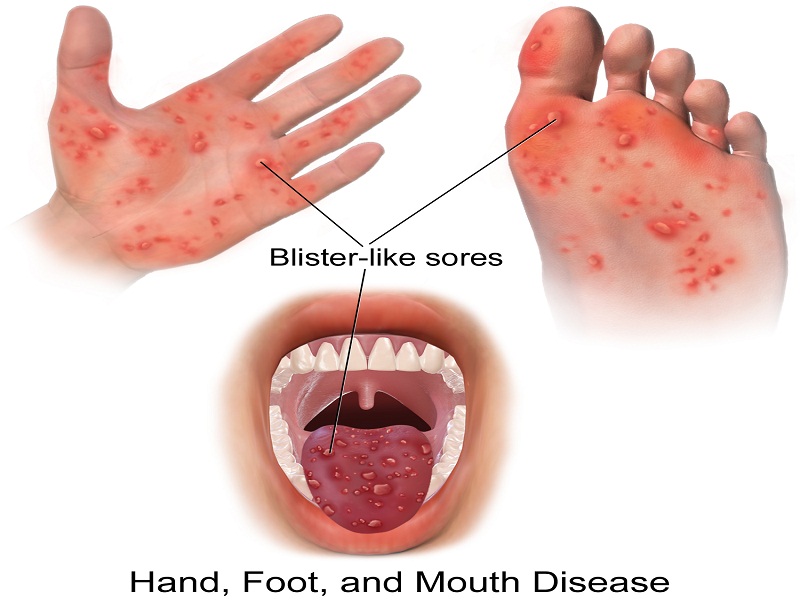
Being a mild infection, it cannot be treated with antibiotics or any other medicines. It needs to run its course. The affected person gets better in seven to 10 days without any medications. It is common in the summer seasons and the months after the rainy season. A person is most contagious in the week before the symptoms appear, so it is difficult to anticipate and prevent.
Table of Contents
The most common cause for the HFMD is the oral ingestion of the coxsackievirus. As it is a contagious condition, it spreads through:
An individual suffering from HMFD may display some or all of the following symptoms:
The incubation period for the disease is three to six days, with the fever being amongst the first symptom of the disease. After a day or two, the mouth sores develop, followed by the rash.
A major complication of this disease is dehydration. As swallowing anything is difficult in this condition, the infected person may get dehydrated easily.
Usually, the virus may live in the host for up to several days even after the symptoms have subsided. And in some cases, the infected person may be highly contagious without showing any symptoms of the condition themselves. In both the cases, it is advisable to avoid direct and close contact with others till the person recovers completely.
The risk of contracting HFMD can be reduced with the following preventive measures:
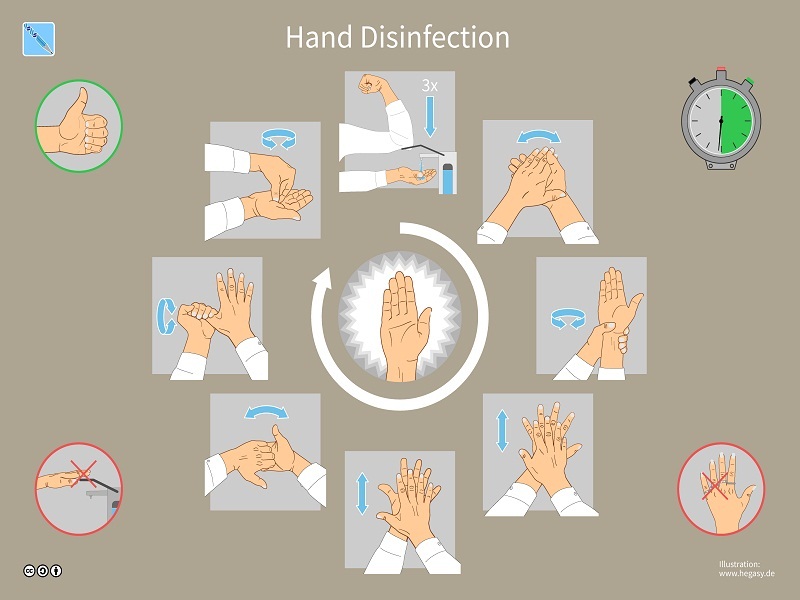
1. Washing hands: Washing hands frequently and thoroughly, especially after visiting the toilet, changing a diaper and before eating or cooking food, is a good way to stay away from a number of diseases, including the HFMD.
2. Practicing good hygiene: Practicing good toilet hygiene, which means washing hands every time you visit the toilet, keeping the nails short as they tend to catch and retain bacteria, bathing every day, and avoiding putting hands in the mouth without washing them first, is also a sure-shot way to avoid HFMD.
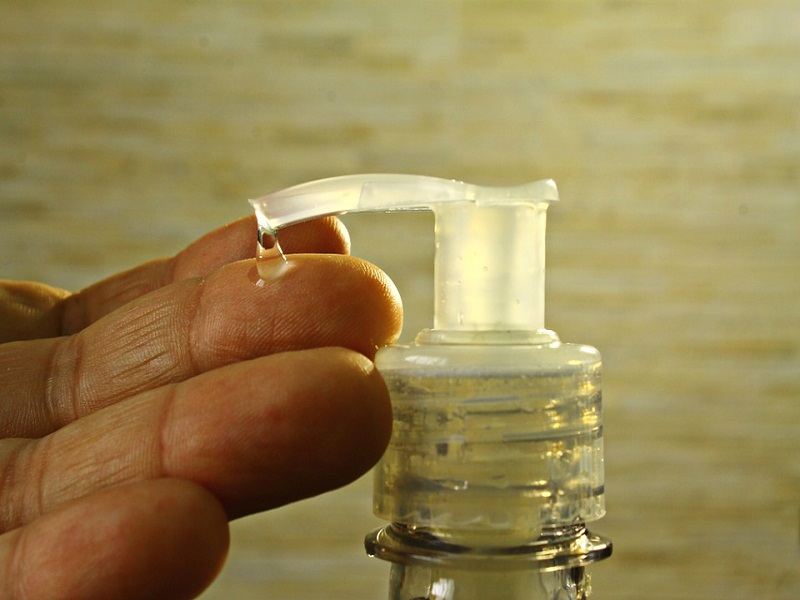
3. Sterilizing often: Children’s things, especially diaper changing tables, mats, pacifiers, milk bottles, etc. should be sterilized often with an alcohol based rub to reduce the risk of contracting the disease.
4. Quarantining: As this is a communicable disease, the infected person needs to be isolated at the earliest. Reducing their contact with others would prevent exposure and thus spreading of the disease.

If the symptoms of the disease do not subside in a week or 10 days, then one must visit a doctor as further complications might have developed.
Images Source: Pixabay, PxHere, Wikimedia















COMMENTS (0)